
Paleogenomic Evidence Confirms Human-Canine Bond Extends Back 14,000 Years to Ice Age
New genomic analysis demonstrates dogs inhabited regions spanning Europe and western Asia during the Late Upper Palaeolithic period
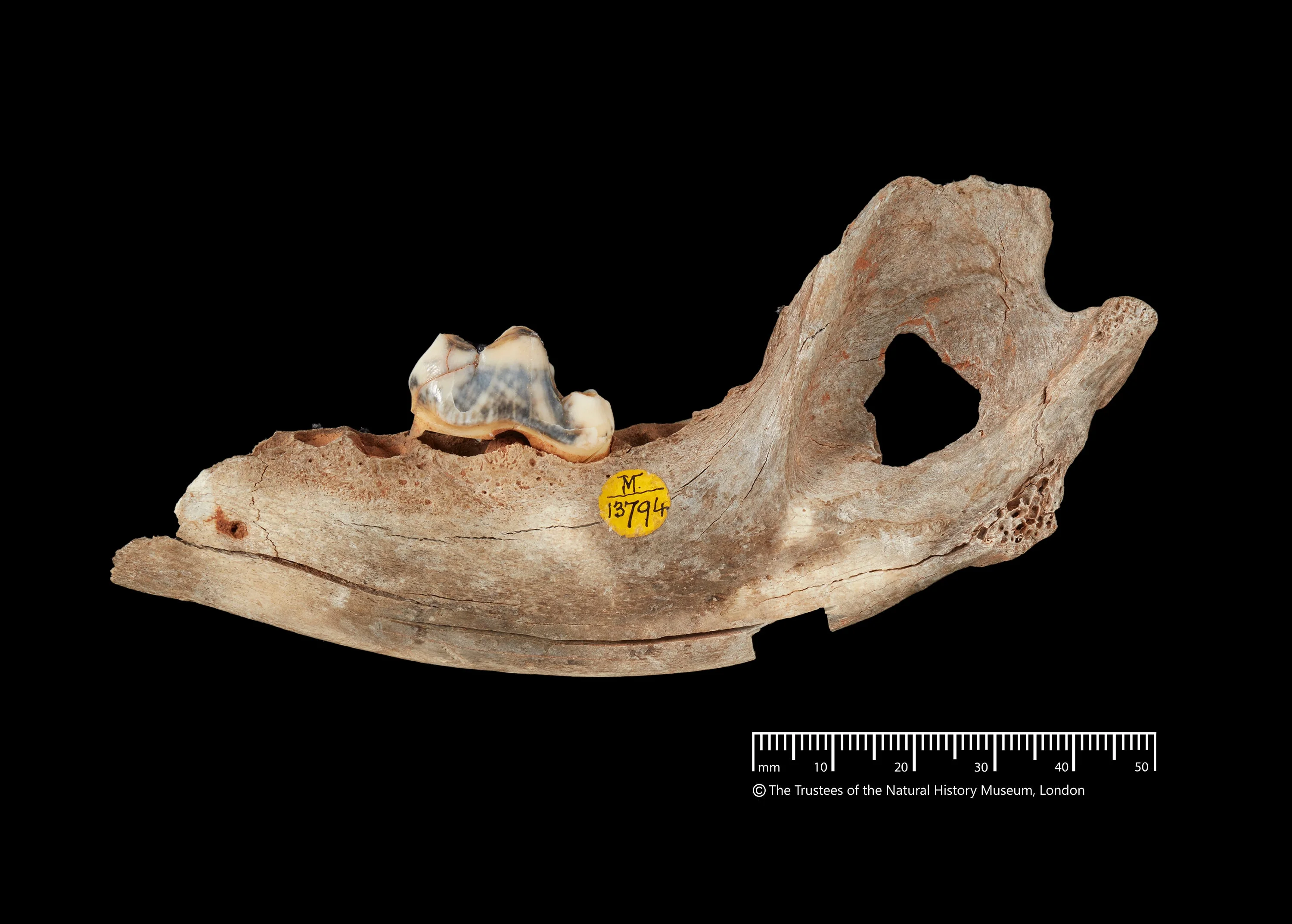
Groundbreaking research has pushed back the timeline of human-canine companionship by millennia, revealing that dogs and people coexisted more than 14,000 years ago during glacial conditions.
The study represents a significant advancement in understanding canine domestication, predating previous estimates by approximately 5,000 years. This places dogs alongside humans well before the Ice Age concluded and agricultural practices emerged.
Archaeological specimens from Gough's Cave in Somerset and Pınarbaşı in Turkey provided the foundation for this discovery. Both sites yielded remains from the Late Upper Palaeolithic era, a period when human societies relied exclusively on hunting and gathering.
Professor Oliver Craig from the University of York's Department of Archaeology notes the challenge researchers have faced: "While the evolutionary origin of dogs from grey wolves during the terminal Pleistocene has been theorized, archaeological validation has remained elusive.
"Morphological similarities between early domestic dogs and their wolf ancestors meant that skeletal analysis alone couldn't definitively distinguish between species, and behavioral markers leave no physical trace in the fossil record."
Earlier investigations relied on fragmentary DNA sequences and osteometric data, but this research achieved complete genome reconstruction from specimens exceeding 10,000 years in age.
University of York researchers conducted comparative genomic analysis against more than 1,000 contemporary and historical canid specimens. The results confirmed that domesticated dogs had already achieved widespread distribution across European and western Asian territories by 14,000 years ago.

Isotopic analysis of preserved bone collagen provided additional insights into ancient canine diets. By measuring carbon and nitrogen ratios, researchers determined that dogs consumed nutritionally similar resources to their human counterparts.
PhD candidate Lizzie Hodgson, who contributed to the investigation, highlighted a particularly revealing finding: "Analysis of specimens from Pınarbaşı demonstrated that domestic dogs maintained a piscivorous diet closely mirroring local human subsistence patterns.
"Given that dogs lack the capability to procure substantial fish quantities independently, this dietary signature strongly indicates intentional provisioning by human communities."
Published in Nature, the research further indicates that dogs accompanied diverse hunter-gatherer populations during the terminal Ice Age. Genetic analysis reveals these ancient canines share closer phylogenetic relationships with modern European and Middle Eastern breeds than with Arctic lineages.
Dr William Marsh from the Natural History Museum explained the broader implications: "These reference specimens enabled identification of additional ancient dog remains from German, Italian, and Swiss archaeological contexts, demonstrating their extensive geographic range across Europe and Türkiye by at least 14,000 years ago."
Dr Lachie Scarsbrook from LMU Munich emphasized the significance of genetic divergence patterns, suggesting major canine lineages had differentiated by approximately 15,000 years ago. "Genetically distinct dog populations already inhabited vast territories spanning from Somerset to Siberia," he noted.
This timeline positions canine domestication as potentially preceding all other domesticated species by more than 10,000 years, fundamentally reshaping our understanding of human-animal relationships in prehistory.
Join our commenting forum
Join thought-provoking conversations, follow other Independent readers and see their replies
Comments
Bookmark popover
Removed from bookmarks