
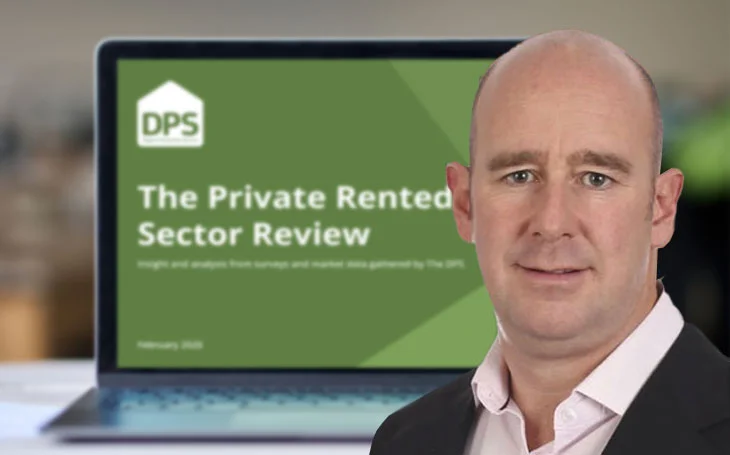
The private rented sector is undergoing a structural transformation, with escalating operational expenses and increased regulatory complexity driving smaller landlords to exit the market, according to findings from The Deposit Protection Service (DPS).
Analysis from the organization's Private Rented Sector Review, which surveyed over 1,000 landlords, reveals a notable shift in portfolio composition. Between October 2024 and October 2025, landlords managing just one or two properties declined from 57% to 50% of the market.
During this same timeframe, mid-tier landlords with three to five properties expanded their market presence from 27% to 31%. Those operating larger portfolios of 11 or more properties similarly grew from 5% to 8%. Landlords holding six to 10 properties maintained a steady 11% share.
Matt Trevett, Managing Director at The DPS, observes: "These metrics collectively indicate a fundamental reconfiguration of the landlord demographic.
The data suggest the sector is continuing to consolidate."
"Individual and micro-landlords now represent a diminishing segment, while operators with medium to substantial holdings are gaining ground.
"Against a backdrop of persistent economic headwinds and evolving compliance frameworks, the data suggest the sector is continuing to consolidate."
Beyond portfolio distribution patterns, the research illuminates how landlords structure their income streams and business operations.
Landlord incomes
Rental income serves as the primary revenue source for 36% of respondents, while 56% maintain alternative principal income streams. Contrary to widespread industry speculation, only 5% operate through limited companies, with 28% continuing to manage properties as individuals or sole traders.
You can read the full report here.
The post Shift towards larger portfolio landlords continues appeared first on The Negotiator.