- Home
Edition
Africa Australia Brasil Canada Canada (français) España Europe France Global Indonesia New Zealand United Kingdom United States Edition:
Global
Edition:
Global
- Africa
- Australia
- Brasil
- Canada
- Canada (français)
- España
- Europe
- France
- Indonesia
- New Zealand
- United Kingdom
- United States
Academic rigour, journalistic flair
 joaolobomachado/Shutterstock
Asia’s scamming gangs target Timor-Leste as their next frontier – but they may have misjudged the small island nation
Published: December 11, 2025 3.14pm GMT
Gemma Ware, The Conversation, Michael Rose
joaolobomachado/Shutterstock
Asia’s scamming gangs target Timor-Leste as their next frontier – but they may have misjudged the small island nation
Published: December 11, 2025 3.14pm GMT
Gemma Ware, The Conversation, Michael Rose
Author
-
 Gemma Ware
Host, The Conversation Weekly Podcast, The Conversation
Interviewed
-
Michael Rose
Adjuct Lecturer, University of Adelaide
Disclosure statement
Michael Rose does not work for, consult, own shares in or receive funding from any company or organisation that would benefit from this article, and has disclosed no relevant affiliations beyond their academic appointment.
Partners
View all partners
DOI
https://doi.org/10.64628/AB.gpanrvhe4
https://theconversation.com/asias-scamming-gangs-target-timor-leste-as-their-next-frontier-but-they-may-have-misjudged-the-small-island-nation-271776 https://theconversation.com/asias-scamming-gangs-target-timor-leste-as-their-next-frontier-but-they-may-have-misjudged-the-small-island-nation-271776 Link copied Share articleShare article
Copy link Email Bluesky Facebook WhatsApp Messenger LinkedIn X (Twitter)Print article
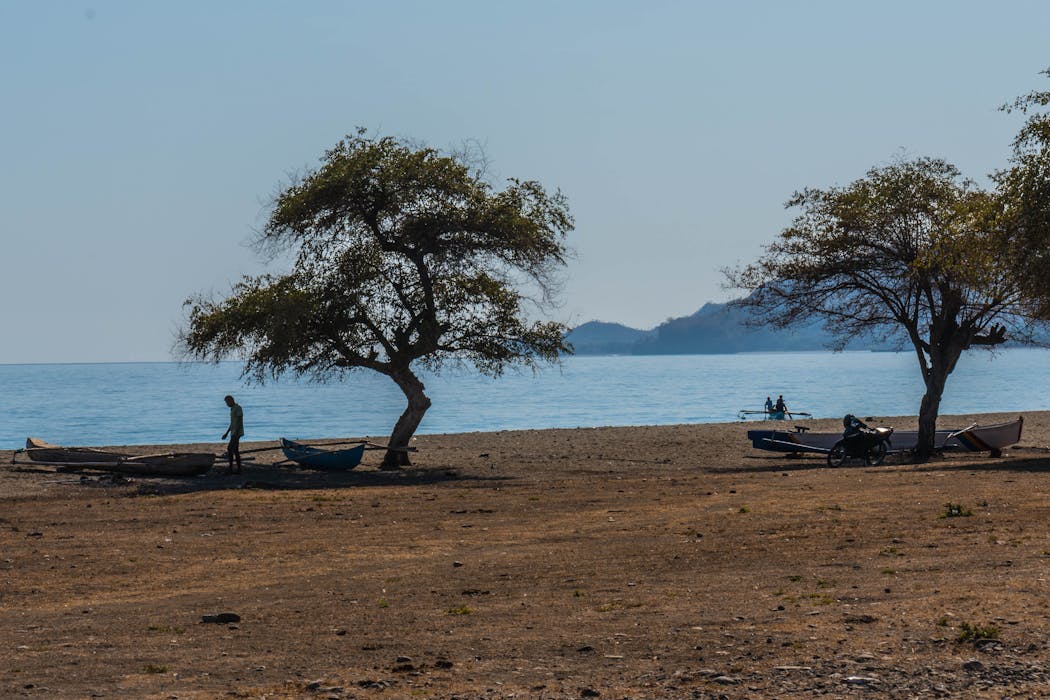
Oecusse, a rugged, remote district of Timor-Leste in south-east Asia, is usually a pretty sleepy place. It’s located on the western side of Timor island, part of Indonesia, and is isolated geographically from the rest of Timor-Leste, which has governed the eastern side of the island since 2002.
But in August, Oecusse was rocked by a large police raid on a suspected scam centre, later linked by a UN report to organised crime networks running scamming operations across south-east Asia. Dozens of foreign nationals were arrested.
All this came at a bad time for Timor-Leste, shortly before its admission into the Association of South East Asian Nations (ASEAN) in October.
And then in early September, a Facebook post by one of Timor-Leste’s highest political officials made some explosive allegations about a murky criminal underworld trying to get a foothold in the country.
In this episode of The Conversation Weekly podcast, we speak to Michael Rose, an anthropologist and adjunct lecturer at the University of Adelaide who has lived and worked in Timor-Leste, about how Asia’s scamming gangs set their sights on Timor-Leste as their next frontier – and the movement to keep them out.
Listen to the interview with Michael Rose on The Conversation Weekly podcast, and read the article he wrote for The Conversation about the issue.
This episode of The Conversation Weekly was written and produced by Katie Flood and Gemma Ware, with production assistance from Mend Mariwany. Mixing by Michelle Macklem and theme music by Neeta Sarl. Gemma Ware is the executive producer.
Newsclips in this episode from Australia News 7, CNN and ABC News Australia.
Listen to The Conversation Weekly via any of the apps listed above, download it directly via our RSS feedor find out how else to listen here. A transcript of this episode is available via the Apple Podcasts or Spotify apps.
- Timor Leste
- Audio
- Podcasts
- South East Asia
- Timor-Leste
- The Conversation Weekly
- Scam Factories
- scam industry
Events
Jobs
-
 Talent Integrity and Contracts Advisor
-
Senior Lecturer, Educational Leadership
-
Respect and Safety Project Manager
-
Associate Dean, School of Information Technology and Creative Computing | SAE University College
-
University Lecturer in Early Childhood Education
 Talent Integrity and Contracts Advisor
 Senior Lecturer, Educational Leadership
 Respect and Safety Project Manager
 Associate Dean, School of Information Technology and Creative Computing | SAE University College
 University Lecturer in Early Childhood Education
- Editorial Policies
- Community standards
- Republishing guidelines
- Analytics
- Our feeds
- Get newsletter
- Who we are
- Our charter
- Our team
- Partners and funders
- Resource for media
- Contact us
-
-
-
-
Copyright © 2010–2025, The Conversation