Can't get rid of fall mold? Stop making these 3 common cleaning mistakes
Out of all household chores, removing mold remains a persistent challenge at the best of times. And as temperatures plunge and it gets wetter, this offers the prime conditions for fall mold (yes, there’s such a thing).
But while many assume damp issues come from outdoors, much of the humidity is actually generated inside our homes. According to an expert, our common cleaning habits could be the culprit, worsening our damp and condensation problems. In addition, cranking up the heat in our rooms doesn’t help either.
Luckily, there are some quick and easy adjustments to our cleaning routine that can help prevent unwanted dampness while maintaining clean, crisp air throughout the home this season.
“When it comes to cleaning routines, small adjustments can make a noticeable difference to how a home feels once the heating goes on properly,” states Laura Bradbury, indoor living specialist at Vonhaus.
So if you want a mold-free home, don’t make these common cleaning mistakes.
Don’t mop floors with too much water
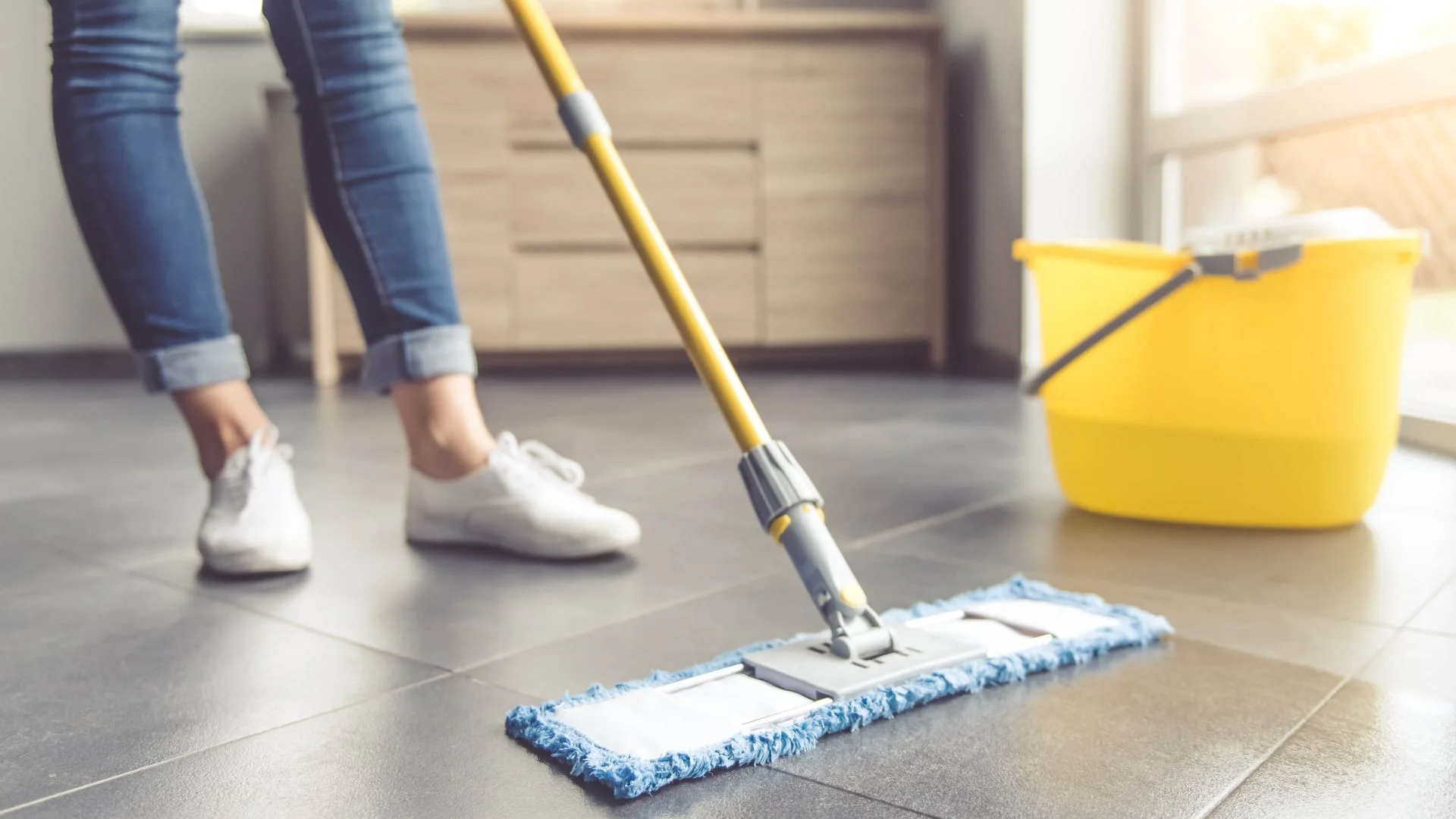
If there is one thing that bothers me, it’s dirty or marked flooring — particularly if your home features mostly hard surfaces. Typically, when mopping, many people tend to saturate the floor to banish those stubborn stains.
However, all the excess water needs to evaporate somewhere — which directly adds to the humidity already in the room.
"Wringing the mop out properly before it touches the floor makes a bigger difference than people expect," says Bradbury. "A floor that dries within a few minutes releases far less moisture than one left glistening for an hour."
“Opening a door or window for the short time a floor takes to dry gives that moisture somewhere to go.”
Alternatively, you could invest in a wet floor cleaner that auto-adjusts the water levels to suit your dirt levels and floor type. Since I got my Roborock F25, I’ve actually ditched my mop and bucket (and haven’t looked back.
Cleaning several rooms at one time
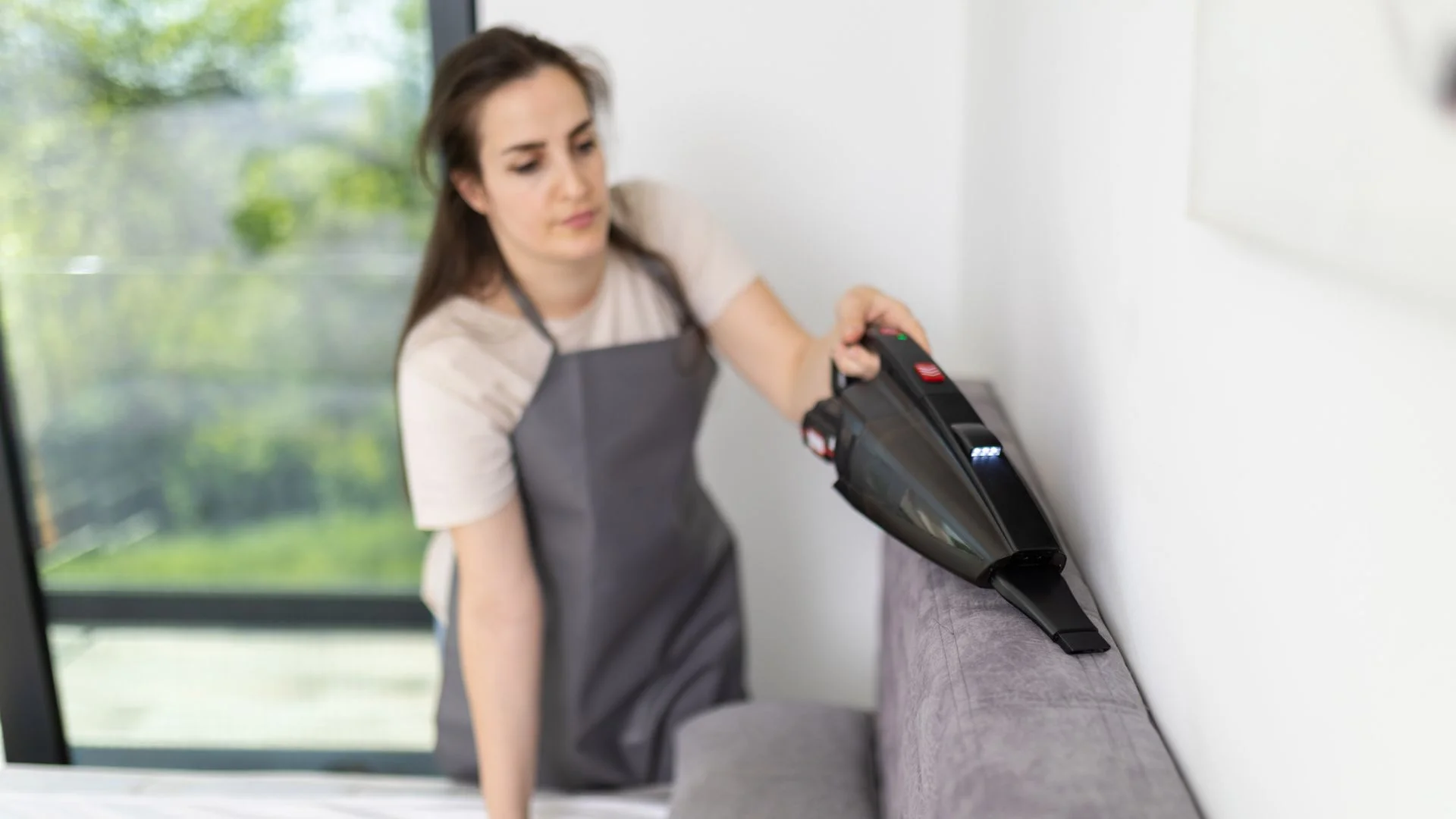
If, like me, you have a dedicated cleaning day, tackling the entire house or a few rooms at one time can seem more efficient. However, it turns out that we might actually worsen dampness and condensation problems.
“It means several sources of moisture, from mopped floors to steamed-up mirrors, release water vapour at the same time,” adds Bradley. “With windows shut against the cold, that moisture has nowhere to disperse and settles on the coldest surfaces, usually windows and external walls.
“Spacing out cleaning tasks and airing each room briefly before moving on gives moisture time to clear rather than building up room by room.”
Alternatively, you could invest in one of the best dehumidifiers to extract excess humidity fast and ensure clean air throughout your space. This is also great for tackling humid bathrooms, kitchens and damp basements.
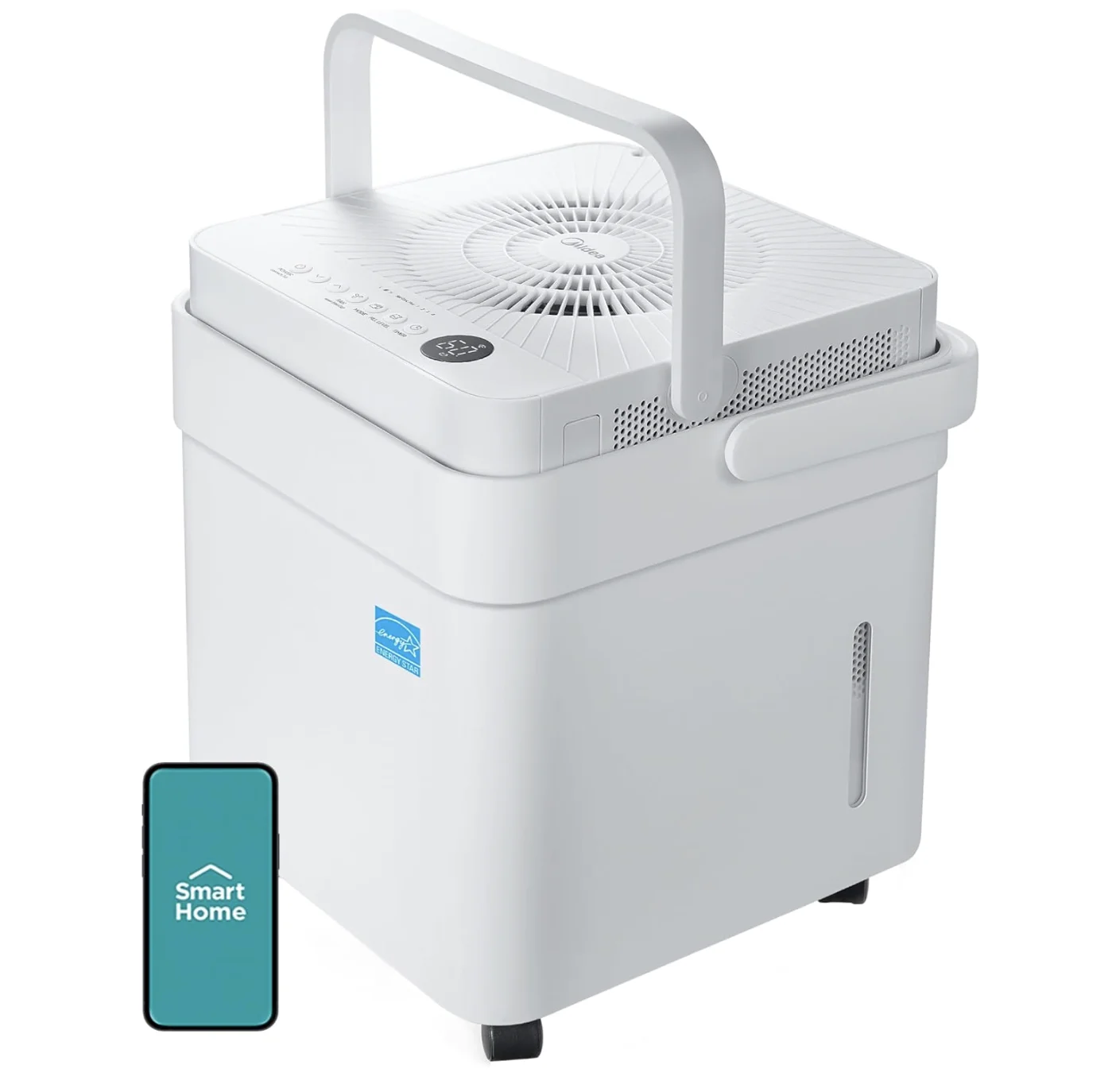
20 Cube 20 Pint dehumidifier: $179
This neat dehumidifier is our buying guide’s best budget pick and earns a 4-star rating. It's compact, easy to store, has user-friendly controls and is easy to empty. It's best for small spaces like bathrooms and home offices. View Deal
Covering your sofa before it dries

Admittedly, I’m guilty of this one mistake. After washing my upholstered sofa, I rarely wait for the material to dry completely before putting the cushions back on (it’s all about the aesthetic!)
In doing so, however, these fabrics can trap excess moisture, creating the perfect breeding ground for mold alongside a musty scent. To prevent dampness from taking hold, ensure your soft furnishings are fully dried first.
“Replacing cushions, throws or covers onto furniture that has just been cleaned traps whatever moisture remains in the fabric underneath, which can lead to a musty smell and, in cases of prolonged dampness, mould within the upholstery.
"This is a particular risk with sofas and mattresses cleaned with steam or shampoo, where drying time is longer than it appears.”
What’s more, it’s always best to leave a window open for adequate ventilation and release some of the moisture outside.
“Leaving cleaned upholstery uncovered until properly dry, with a window open or a fan directed at it, reduces the chance of moisture becoming trapped out of sight.”
With these small changes, you can reduce the risk of mold spores and condensation this fall.