
- Pro
NASA approves personal smartphone use on upcoming missions
When you purchase through links on our site, we may earn an affiliate commission. Here’s how it works.
 (Image credit: NASA)
- Copy link
- X
- Threads
Sign up for breaking news, reviews, opinion, top tech deals, and more.
Contact me with news and offers from other Future brands Receive email from us on behalf of our trusted partners or sponsors By submitting your information you agree to the Terms & Conditions and Privacy Policy and are aged 16 or over.You are now subscribed
Your newsletter sign-up was successful
An account already exists for this email address, please log in. Subscribe to our newsletter- NASA formally approves personal smartphones for government missions beginning with Crew-12
- Artemis II will carry consumer phones alongside traditional spaceflight imaging equipment
- Fast-tracked hardware approval marks a procedural shift inside NASA operations
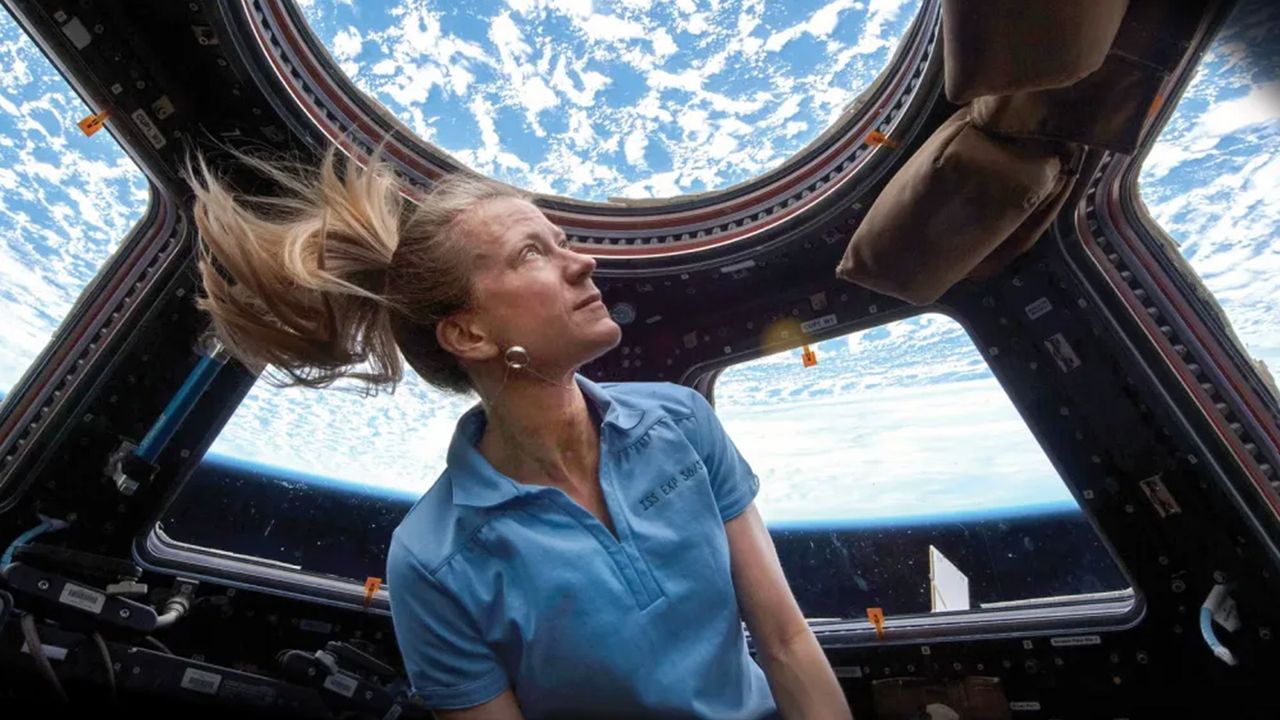
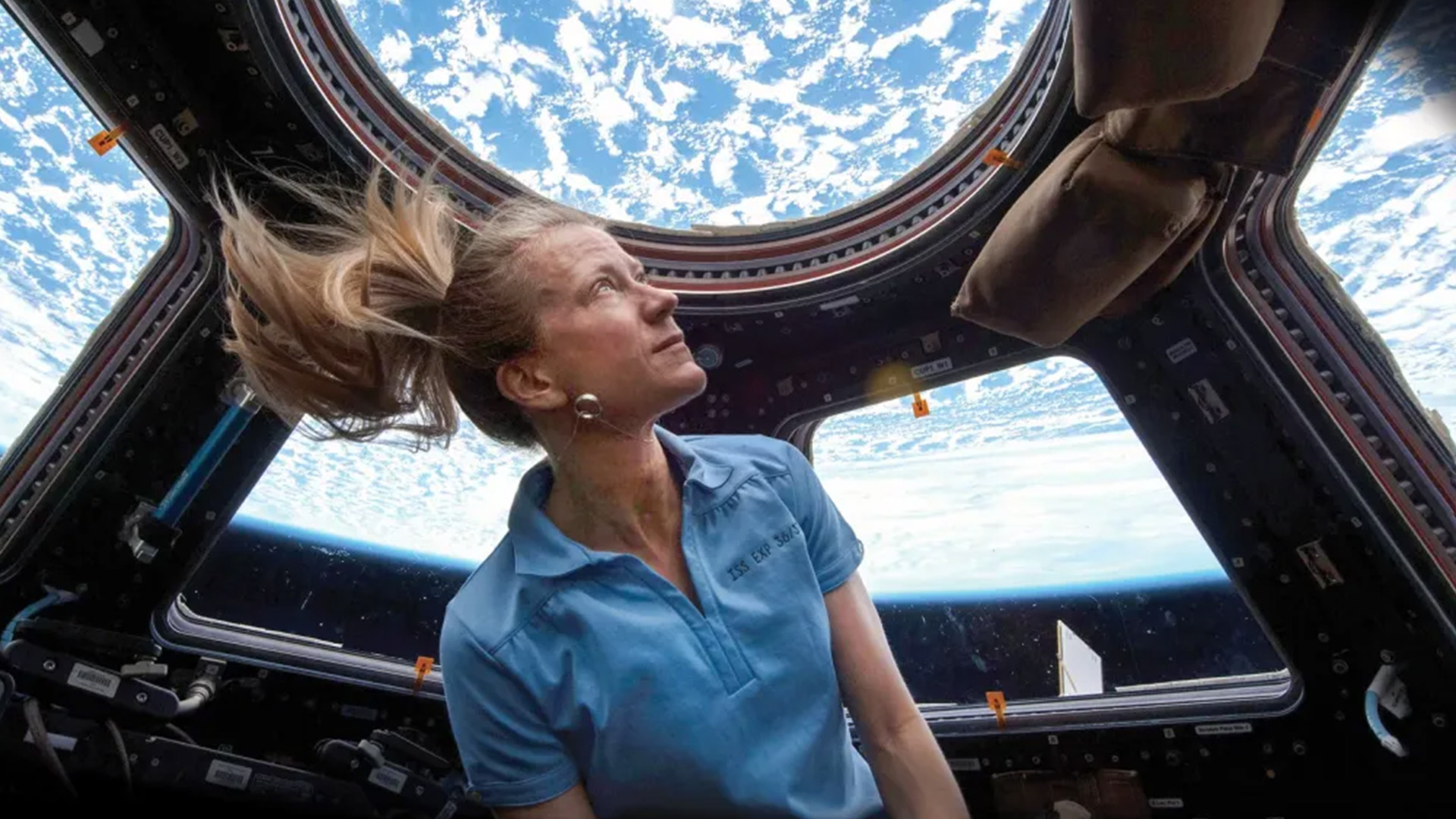
NASA has confirmed its astronauts will now be allowed to carry personal smartphones on crewed missions, starting with Crew-12 and the delayed Artemis II flight.
Crew-12 is scheduled to travel to the International Space Station in mid-February 2026, while Artemis II is now expected to launch in March.
The policy change allows astronauts to use modern iPhone and Android devices during missions, marking a shift away from NASA’s long reliance on agency-supplied cameras.
You may like-
 SpaceX gets approval to launch another 7,500 next-gen Starlink satellites
-
 Elon Musk shoots down Starlink phone rumors, but hints at future AI device
-
 SpaceX has applied to launch another million satellites into orbit
Policy change expands crew access to personal hardware
NASA administrator Jared Isaacman said the decision was driven by a desire to give crews more flexible tools for documenting their experiences and sharing images and video with the public.
“We are giving our crews the tools to capture special moments for their families and share inspiring images and video with the world,” Isaacman wrote on X.
NASA leadership framed the move as more than cultural, and the agency had to fast-track the approval of modern consumer hardware for spaceflight.
They argue the same urgency will support future scientific research in orbit and on the lunar surface.
Are you a pro? Subscribe to our newsletterContact me with news and offers from other Future brandsReceive email from us on behalf of our trusted partners or sponsorsBy submitting your information you agree to the Terms & Conditions and Privacy Policy and are aged 16 or over.The swift adoption of capable hardware could matter more than strict adherence to legacy procedures.
“Just as important, we challenged long-standing processes and qualified modern hardware for spaceflight on an expedited timeline,” Isaacman added.
“That operational urgency will serve NASA well as we pursue the highest-value science and research in orbit and on the lunar surface.”
You may like-
SpaceX gets approval to launch another 7,500 next-gen Starlink satellites
-
Elon Musk shoots down Starlink phone rumors, but hints at future AI device
-
SpaceX has applied to launch another million satellites into orbit
Until now, astronauts relied largely on Nikon DSLR cameras and GoPros, many of which were designed years ago - and while those devices remain capable, they lack the immediacy and versatility of modern smartphones.
Smartphones combine advanced sensors, image stabilization, ultra-wide lenses, and video features into a single device that astronauts already know how to use.
NASA believes that familiarity may allow crews to capture more spontaneous moments without interrupting scheduled mission tasks or relying on specialized equipment.
With smartphones available, future missions may generate far more informal imagery and video than previous expeditions.
The change raises the likelihood of more frequent updates from orbit and deep space, potentially making upcoming missions among the most thoroughly documented in NASA history.
However, the agency has not outlined specific limits on personal content creation, though mission safety rules still apply.
Smartphones have flown to space before, including on private SpaceX missions, so the concept is not entirely new, but what is different is NASA formally approving personal devices for flagship government missions.
While the agency describes this as “a small step in the right direction”, it reflects a willingness to reconsider conservative technology rules.
The long-term impact will depend on whether expedited qualification becomes standard practice or remains limited to low-risk hardware such as personal smartphones.
Follow TechRadar on Google News and add us as a preferred source to get our expert news, reviews, and opinion in your feeds. Make sure to click the Follow button!
And of course you can also follow TechRadar on TikTok for news, reviews, unboxings in video form, and get regular updates from us on WhatsApp too.
 Efosa UdinmwenFreelance Journalist
Efosa has been writing about technology for over 7 years, initially driven by curiosity but now fueled by a strong passion for the field. He holds both a Master's and a PhD in sciences, which provided him with a solid foundation in analytical thinking.
View MoreYou must confirm your public display name before commenting
Please logout and then login again, you will then be prompted to enter your display name.
Logout Read more SpaceX gets approval to launch another 7,500 next-gen Starlink satellites
 Elon Musk shoots down Starlink phone rumors, but hints at future AI device
 SpaceX has applied to launch another million satellites into orbit
 I used Gemini on Android for 3 months – now I know why Apple had no choice but to partner with Google
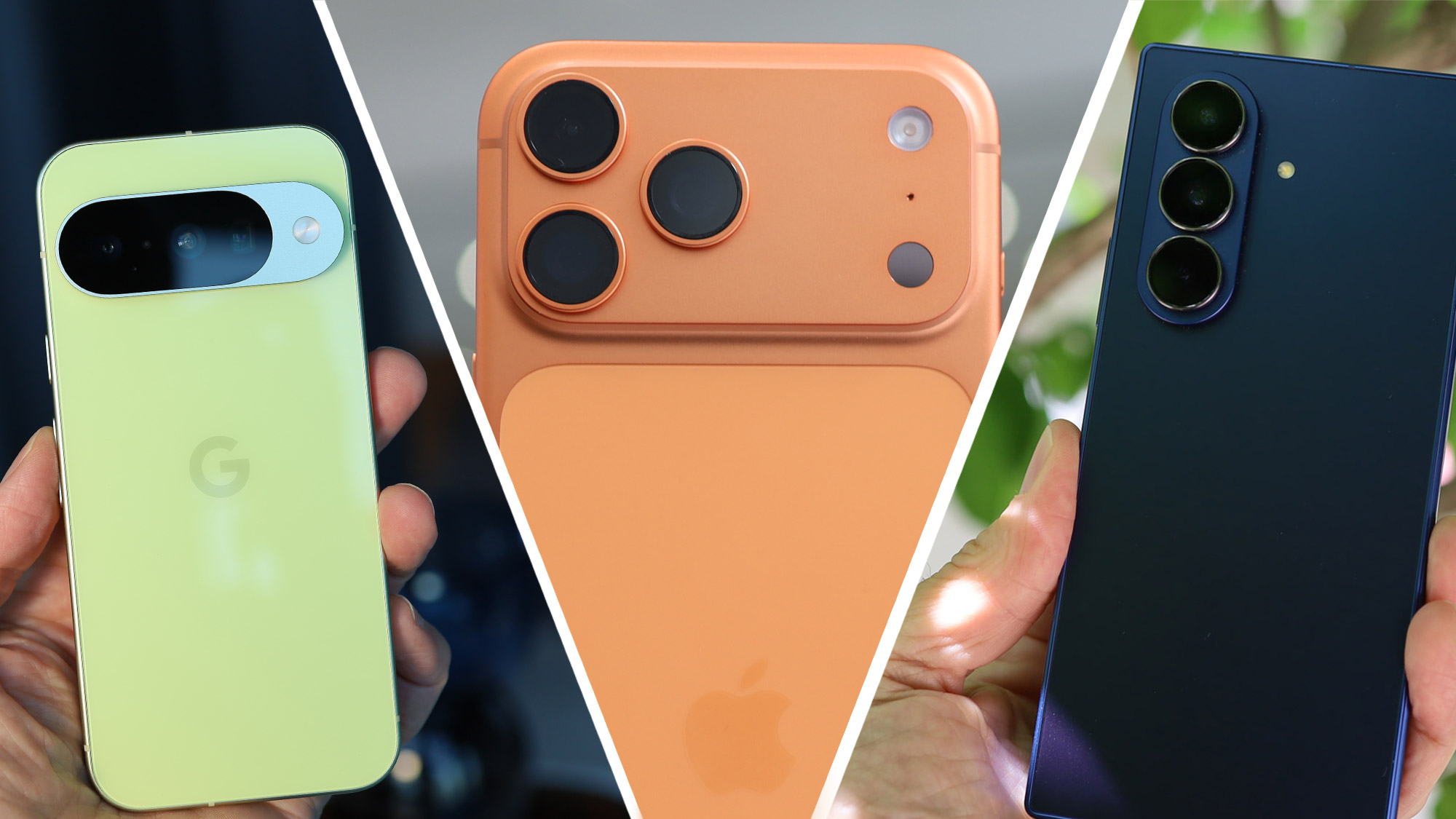 My year in smartphones – 2025 was the year of the AI phone
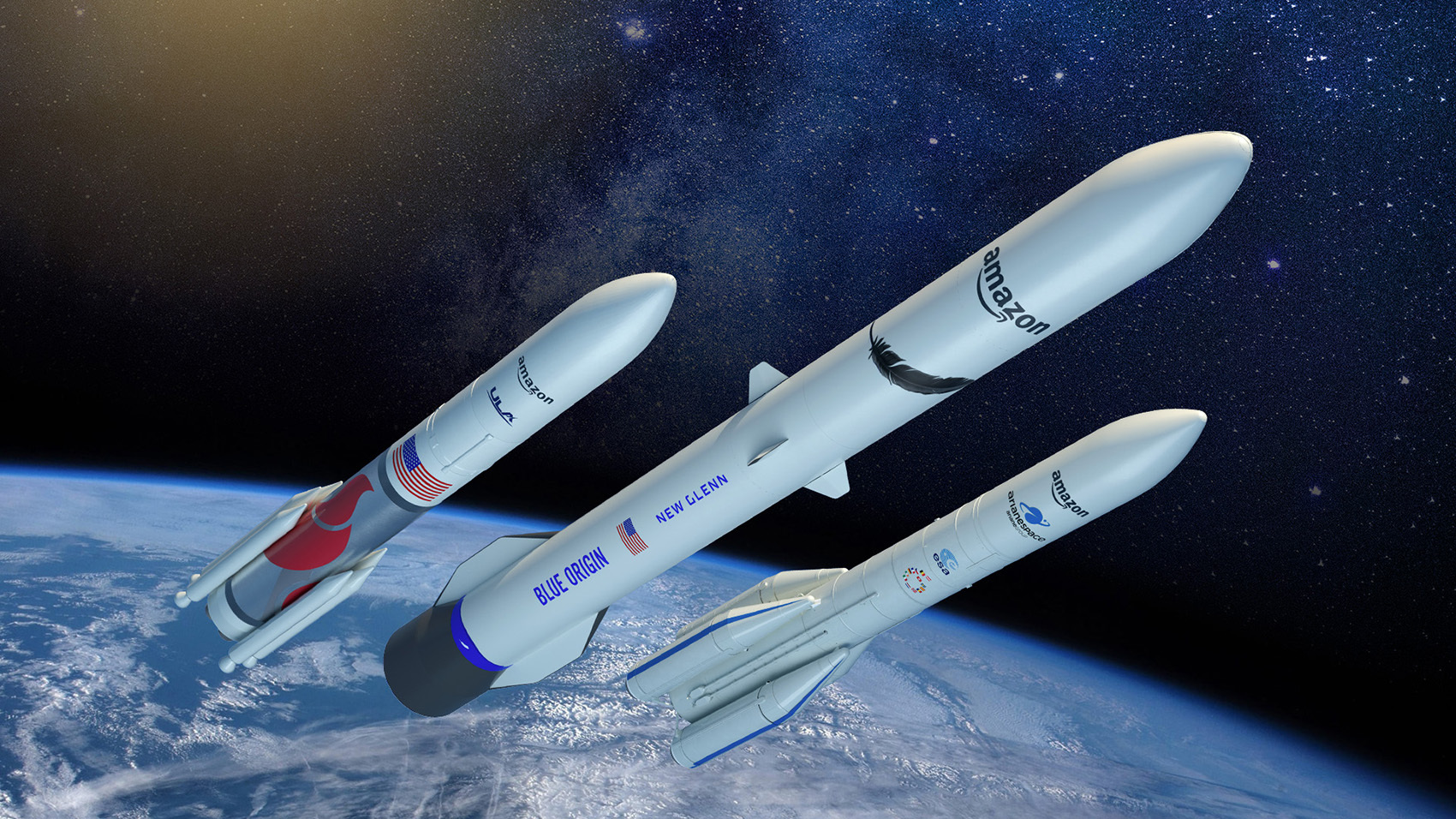 Gemini 3 just stole ChatGPT’s biggest fan
Latest in Pro
Gemini 3 just stole ChatGPT’s biggest fan
Latest in Pro
 "The height of nonsense": Oracle co-founder Larry Ellison’s 1987 argument that not everything should be AI makes perfect sense in 2026
 Conduent data breach might have been much worse than initially expected
 Sunsetting the print server: why 2026 is the year to finally go serverless
 A fresh wave of Zendesk spam emails is hitting users across the world
 How rising complexity is reshaping the role of data center services
 OpenAI unveils GPT-5.3-Codex, which can tackle more advanced and complex coding tasks
Latest in News
OpenAI unveils GPT-5.3-Codex, which can tackle more advanced and complex coding tasks
Latest in News
 Spotify just got a neat upgrade, but YouTube Music is paywalling a feature
 Apple could soon allow ChatGPT and Gemini to on CarPlay
 The Trump phone seems to be real – and we just got our best look yet at it
 Quordle hints and answers for Monday, February 9 (game #1477)
 NYT Strands hints and answers for Monday, February 9 (game #708)
 NYT Connections hints and answers for Monday, February 9 (game #974)
LATEST ARTICLES
NYT Connections hints and answers for Monday, February 9 (game #974)
LATEST ARTICLES- 1Get ready for out of this world selfies - NASA says astronauts can now take their own phones with them to space
- 2Razer won’t make the gaming chair of my dreams a reality — but the DXRacer Martian Pro proves it should
- 3'Moflin had a really warm and fuzzy moment' – a week with the robot pet that wriggled and squeaked its way into my heart
- 4Quordle hints and answers for Monday, February 9 (game #1477)
- 5NYT Connections hints and answers for Monday, February 9 (game #974)